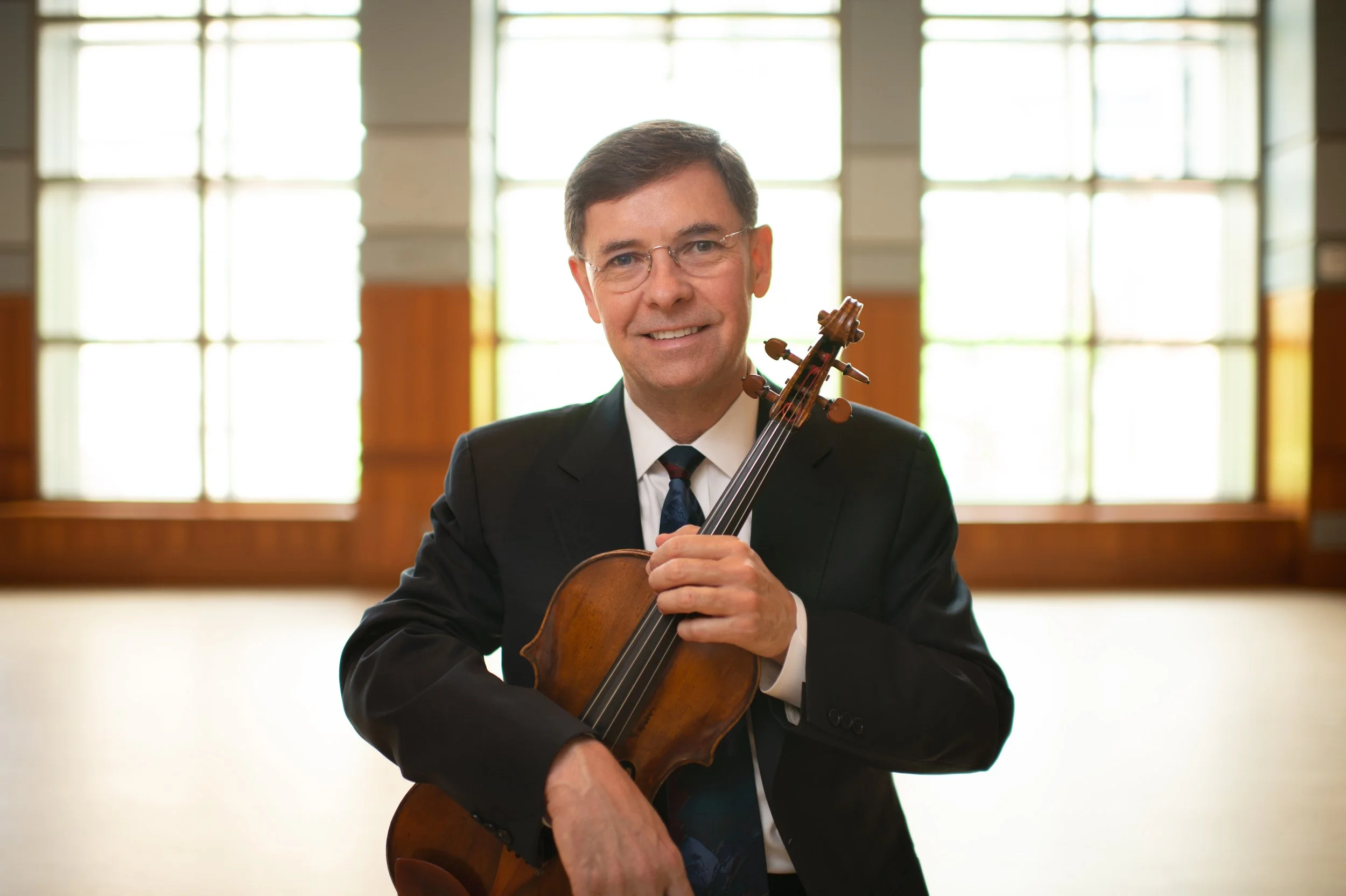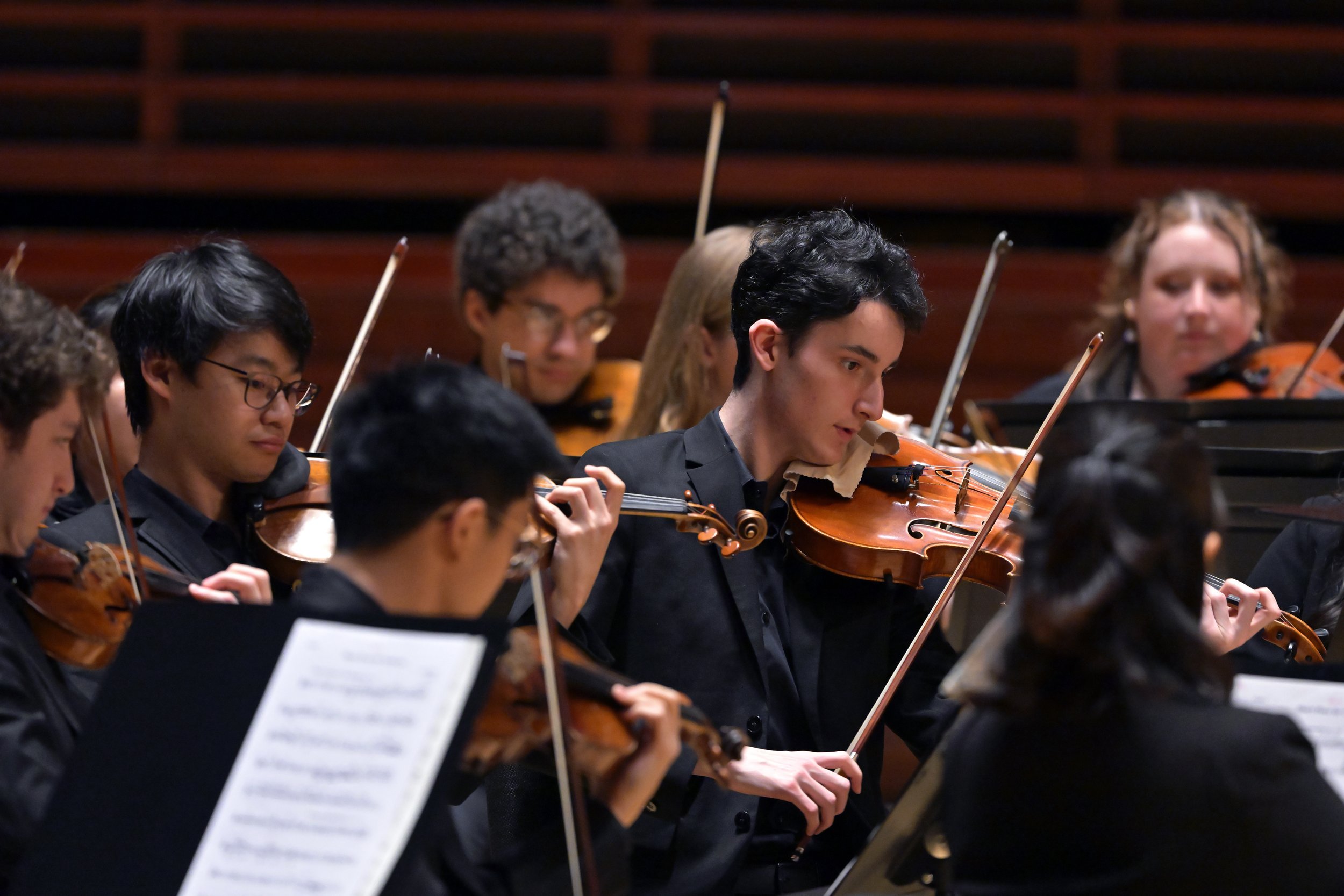
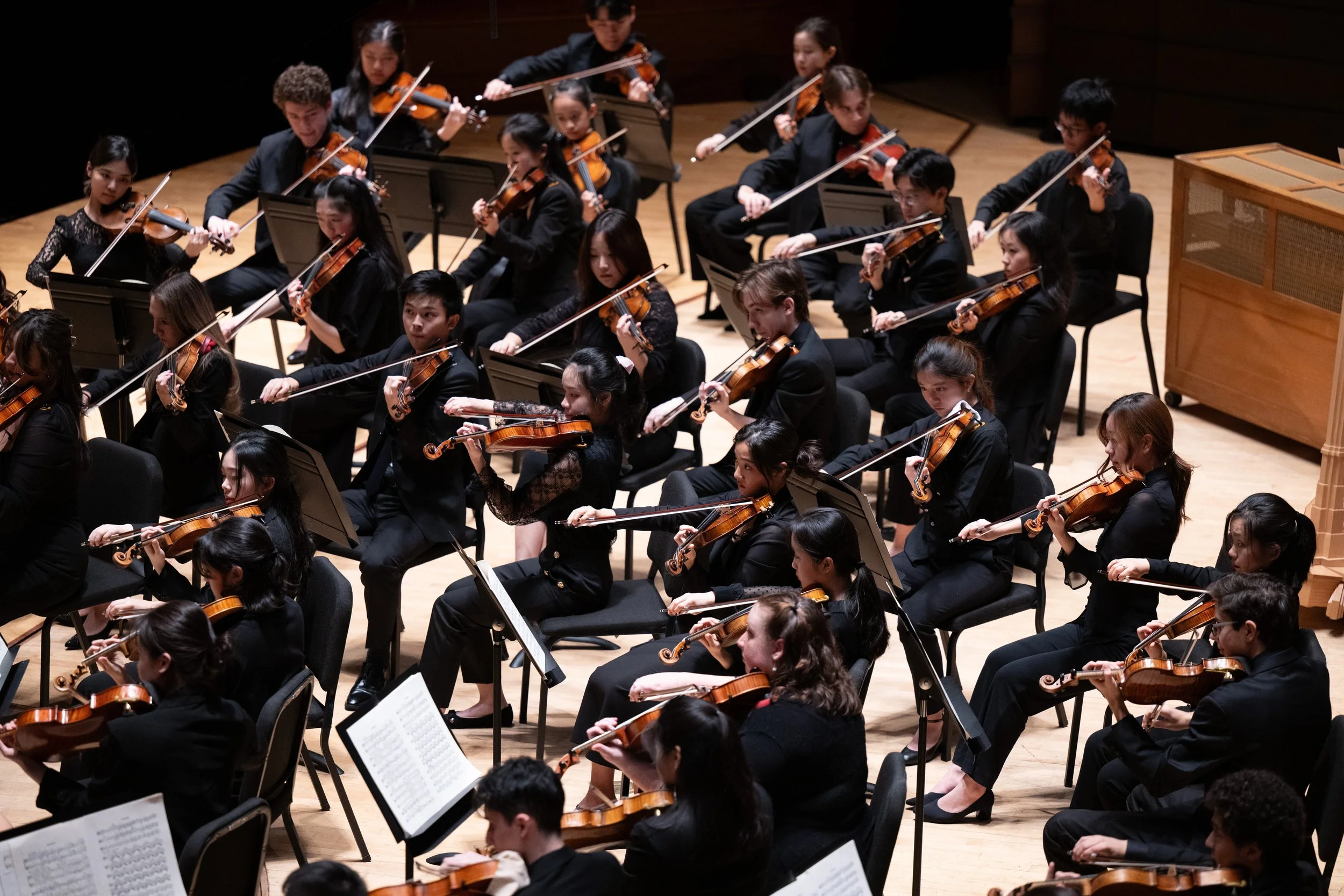
For 15 years, the Curtis Chamber Orchestra has maintained an unparalleled presence at top international concert halls, performing more than 450 concerts in over 120 cities, from New York to Berlin and Hong Kong to Santiago. Now, for one night only, you can see them in Baum Walker Hall on Tuesday, May 19 at 7 pm. The ensemble, composed of students, alumni and faculty of the prestigious Curtis School of Music, will perform an exquisite selection of Barber, Mozart and Beethoven.
The Curtis Chamber Orchestra is presented as part of the 10x10 Art Series, an intriguing and innovative showcase of art forms, meticulously curated to satisfy the artistic curiosity of the Northwest Arkansas community. We asked student violinist Audrey Goodner to answer 10 questions to help audiences understand the ensemble and know what to expect at this spectacular show.
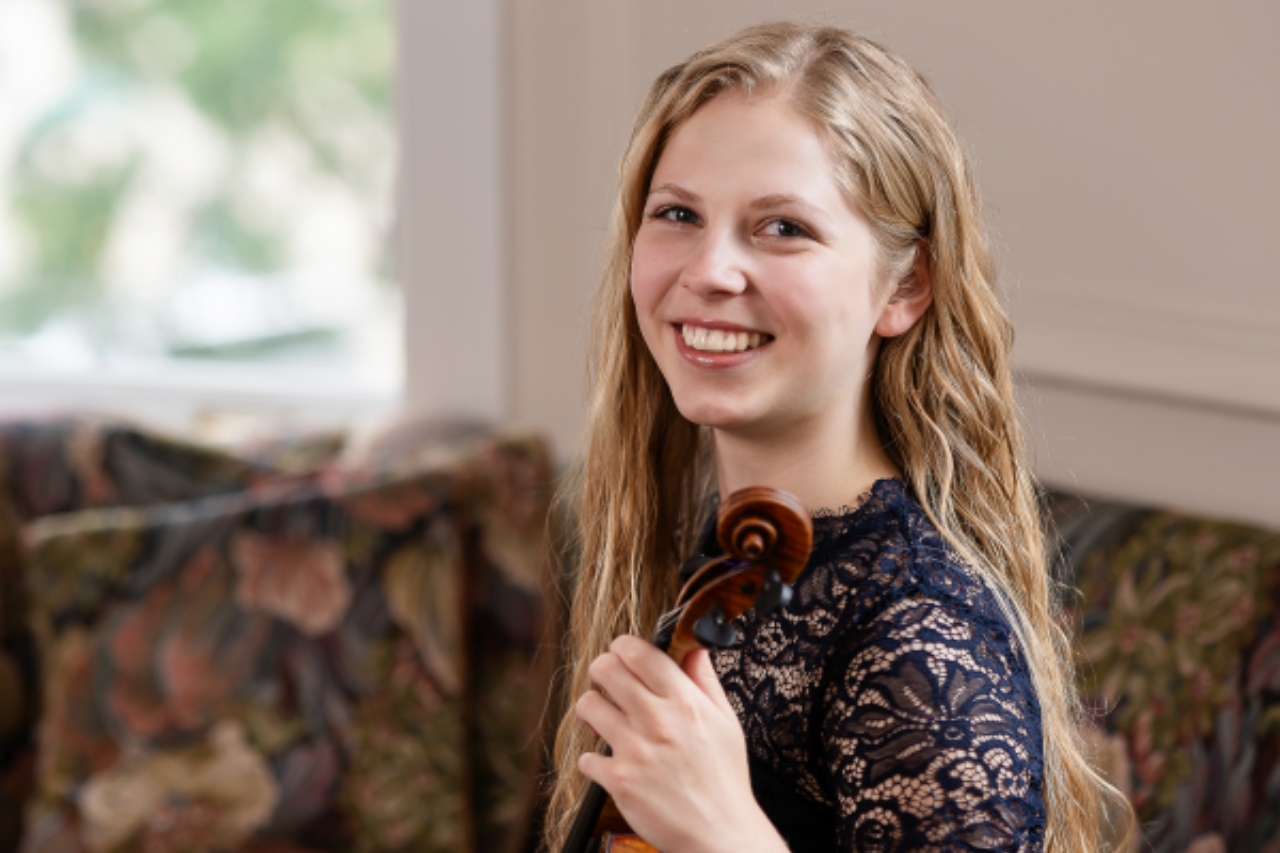
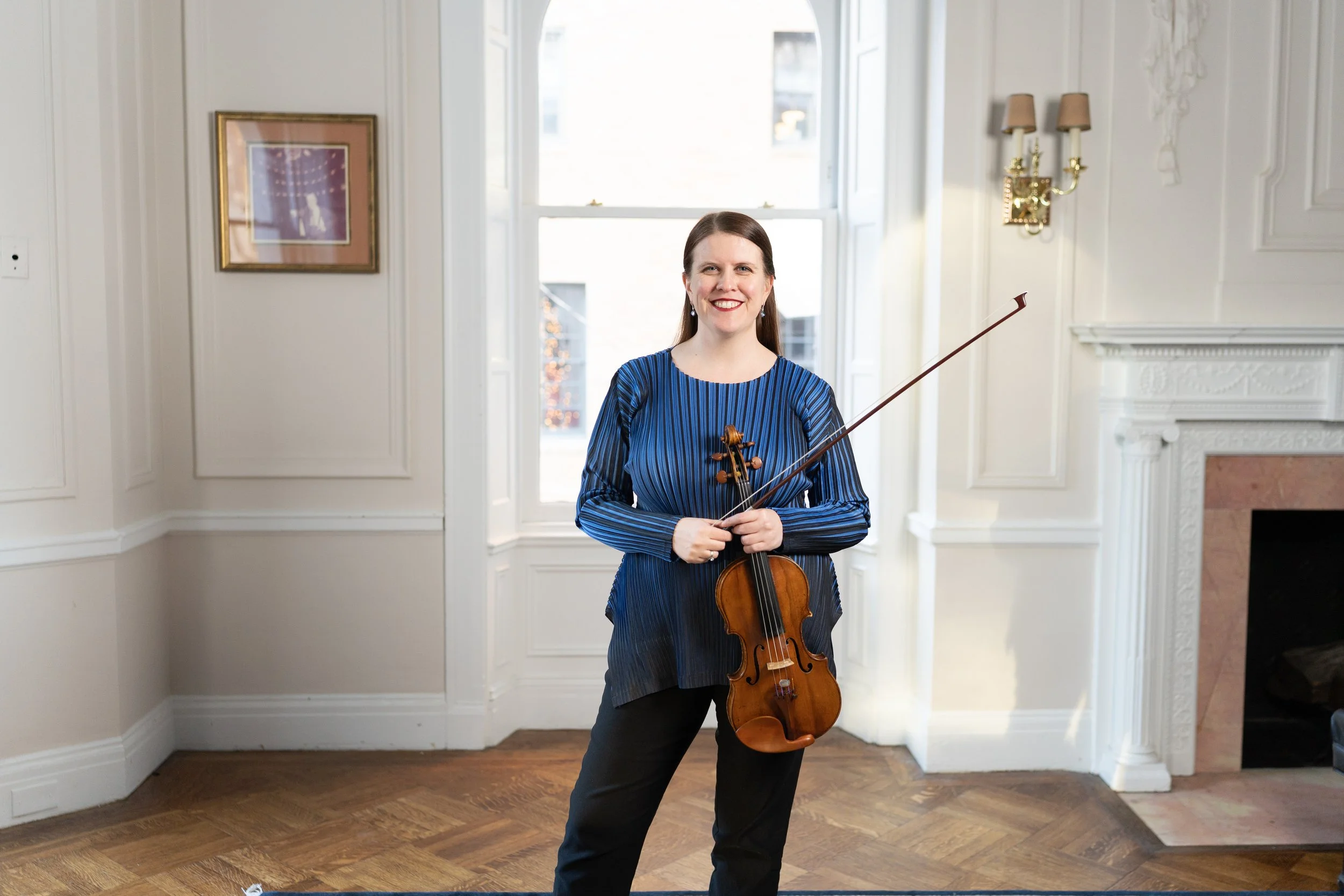
Audrey Goodner, rising junior at Curtis Institute of Music.
What can audiences expect when they come see this performance?
Audiences can expect a high-quality and engaging evening featuring some of the core works of the chamber orchestra repertoire. The program highlights the artistry of our esteemed faculty and brings the students at the Curtis Institute together in a concert full of energy, precision and expressive depth in ways that feel both exciting and meaningful.
What message do you hope to send to the world, or what do you hope audiences leave with?
It is my hope that audiences leave with a sense of peace and contentment. I hope the experience inspires them to seek out live music or even to explore an instrument themselves. It’s also important to me to share the remarkable talent of my colleagues and reflect the artistic environment fostered at Curtis.
What drew you to this performance field?
Music was part of my life from an early age, I come from a very musical family. My father, especially, played an important role in that introduction. I quickly developed a strong love for the violin, and over time that early encouragement grew into a lasting personal commitment.
Can you tell us more about performing in a conductorless group? How does this change how you practice and play?
Performing in a conductorless group creates a true chamber music environment. With a smaller ensemble, each musician takes on greater responsibility in shaping the performance. Preparation becomes more collaborative, with a focus on blending, communication and shared interpretation.
Do you have any pre-show rituals or warm-ups? If so, what are they?
I do not have any mandatory pre-concert rituals for myself. I like to try to stay relaxed, listen to recordings of the pieces beforehand, maintain physical ease and take time to mentally focus. Visualization also helps me center my attention and prepare for a convincing performance.
Pick 5 words that best describe your work.
Genuine, collaborative, supportive, engaging, meticulous.
What is the best advice that you have been given?
One of the most valuable pieces of advice I have received is to attend as many live performances as possible. Immersion in live music is essential to artistic growth and provides insights that cannot be replicated elsewhere.
Who do you define as visionary and why?
I would define one of my previous teachers, Ryan Meehan, as a visionary. His deep commitment to his craft, combined with an ability to inspire and guide others so deeply, has had a profound impact on my development as a musician. I would not be where I am today without his unending support and guidance.
What are some unique or memorable experiences you’ve had while traveling around the world to share your music?
Traveling to Iceland for a summer festival stands out as a particularly memorable experience. The beautiful setting, the students and faculty and the opportunity to share music in such a unique environment made it especially meaningful.
What songs, artists or genres of music are you currently listening to?
I spend a lot of time listening to repertoire I’m currently working on or have recently discovered. Outside of that, I also enjoy listening to jazz.