
Almost 40 Years Later and We're Still Having the Time of our Life

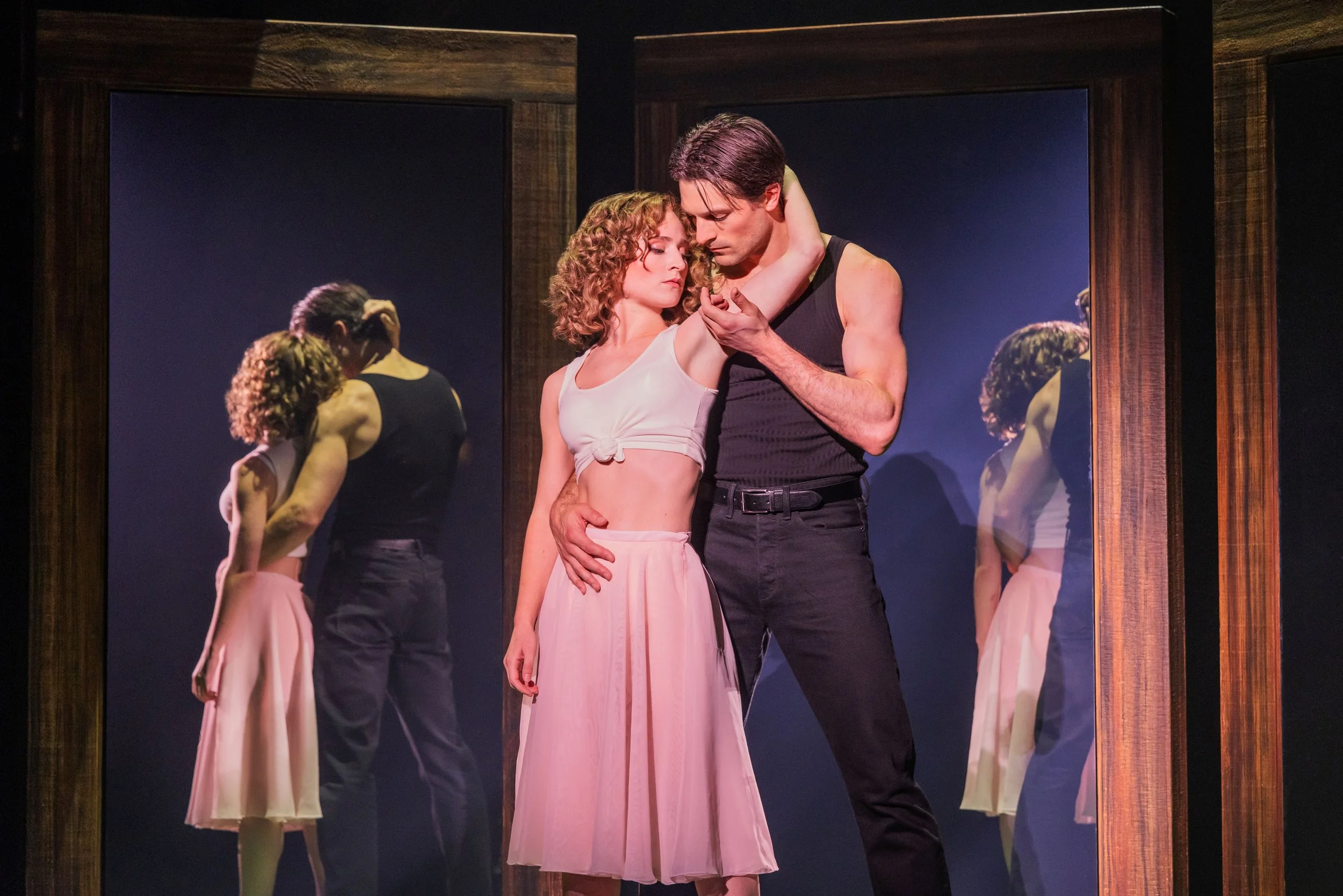
Based on Lionsgate's beloved film, the story that awakened a generation is back in a new stage production. Dirty Dancing: The Musical is the feel-good escape you’ve been craving, alive with the pulse of electrified dancing, the thrill of secret encounters and the allure of forbidden romance. Set to live music from the original film you love, Baby and Johnny bring to life the summer that changed everything.  

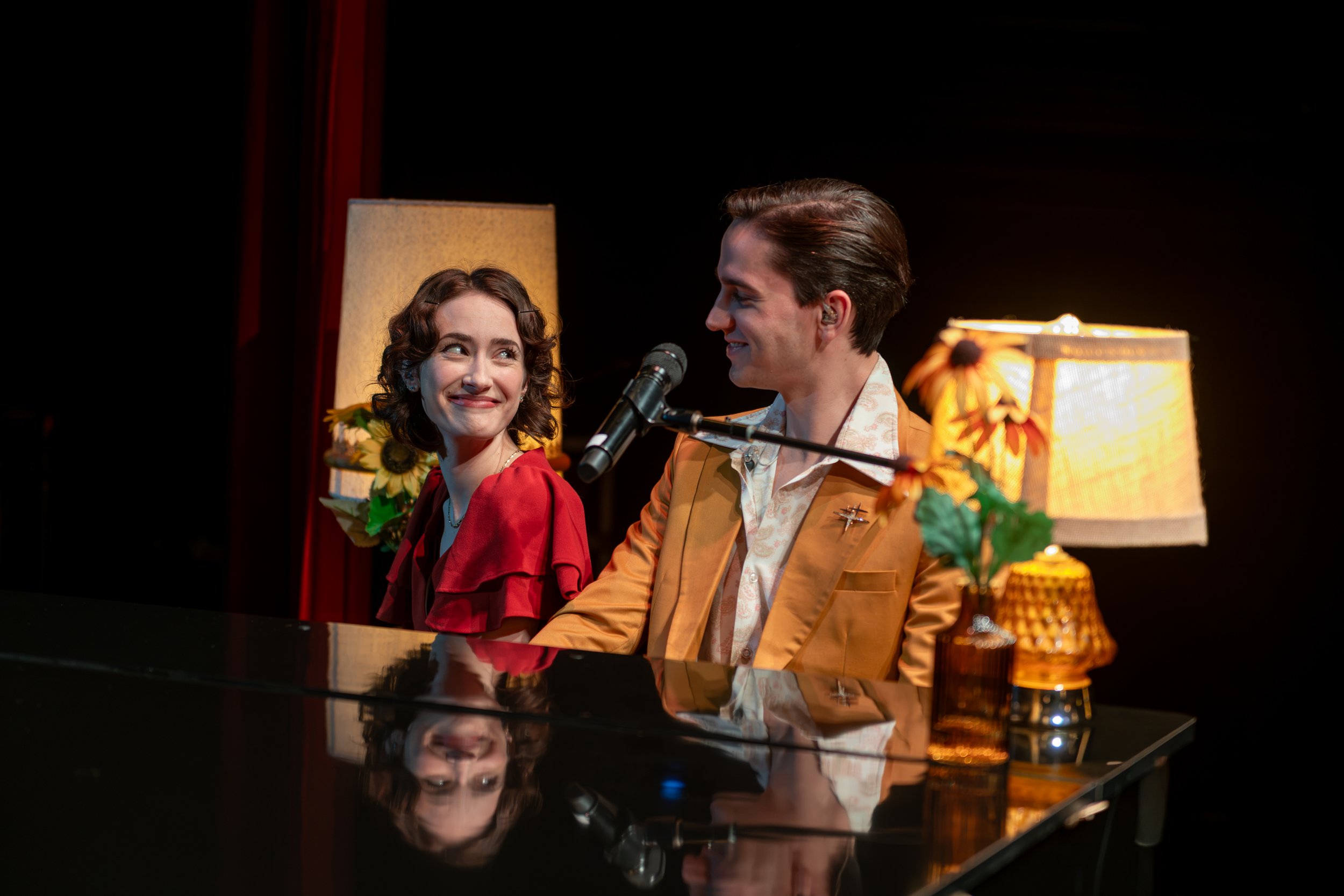
Annalese Starzec (Frances “Baby” Houseman) and Blake Zelesnikar (Johnny Castle). Photo by Matthew Murphy.

Annalese Starzec (Frances “Baby” Houseman") and Blake Zelesnikar (Johnny Castle). Photo by Matthew Murphy.

This new stage production features direction by Lonny Price who played Neil Kellerman in the original film, choreography by Darrell Grand Moultrie (Beyonce’s Mrs. Carter Show World Tour) and a book by original screenwriter, Eleanor Bergstein.  

Price sat down with Minnesota Monthly to discuss the lasting impact of the film. “I assumed it might find a quiet second life on cable,” he said, “I was completely gob smacked by the overwhelming response and its continued longevity.” 

This new adaptation offers deeper scenes and explores other facets of characters. “It honors the original film while giving the storytelling room to breathe on stage,” he said. “It is a delicate balance; you want to give the audience what they came for, but you also have to theatricalize it so they are not just watching a movie recreated on stage.” 
Blake Zelesnikar (Johnny Castle) and Annalese Starzec (Frances “Baby” Houseman). Photo by Matthew Murphy

This isn’t the first time Price is stepping into the director’s chair, he has also worked on a production of Company (starring Neil Patrick Harris and Stephen Colbert), the 2017 revival of Sunset Boulevard (starring Glenn Close) and the special event “Sondheim: The Birthday Concert”.  

“Directing has been my primary home for a long time now, so it feels like the natural chair for me to sit in,” he says, “It is wonderful to approach this material from a holistic, directorial perspective rather than through the singular lens of an actor focused strictly on their own track.” 

Don’t miss when it comes to Northwest Arkansas for eight performances from Oct. 21-25. Your reservation at Kellerman’s awaits! 

"A pop-culture landmark that continues to define the nostalgia of an era"

- The Guardian -

"A pop-culture landmark that continues to define the nostalgia of an era" - The Guardian -

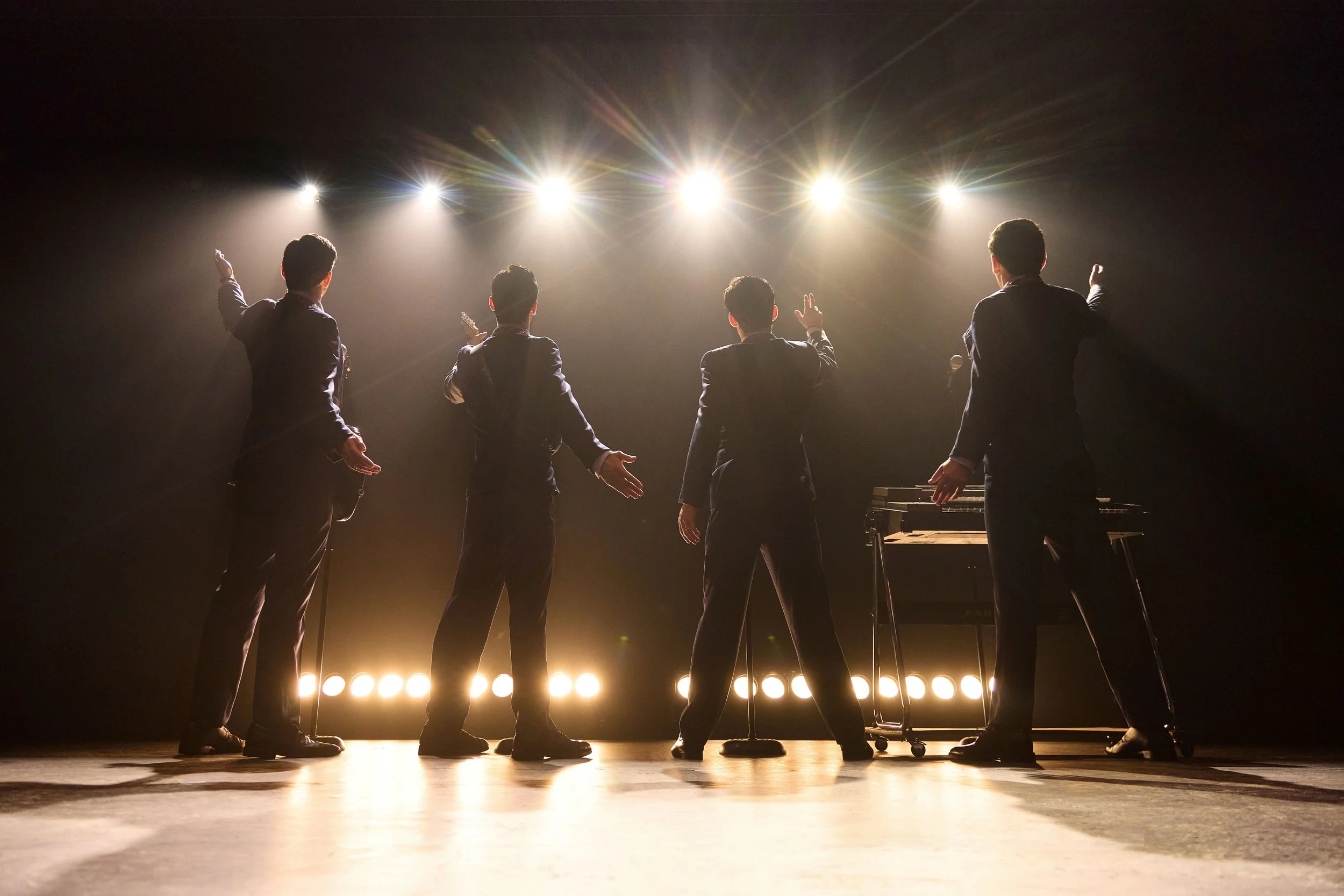
Blake Zelesnikar (Johnny Castle) and the Dirty Dancing: The Musical Company. Photo by Matthew Murphy.

Show Dates and Times: 

Wednesday, Oct. 21, 7 pm 

Thursday, Oct. 22, 1:30 & 7 pm

Friday, Oct. 23, 7:30 pm 

Saturday, Oct. 24, 2 & 7:30 pm

Sunday, Oct. 25, 2 & 7 pm


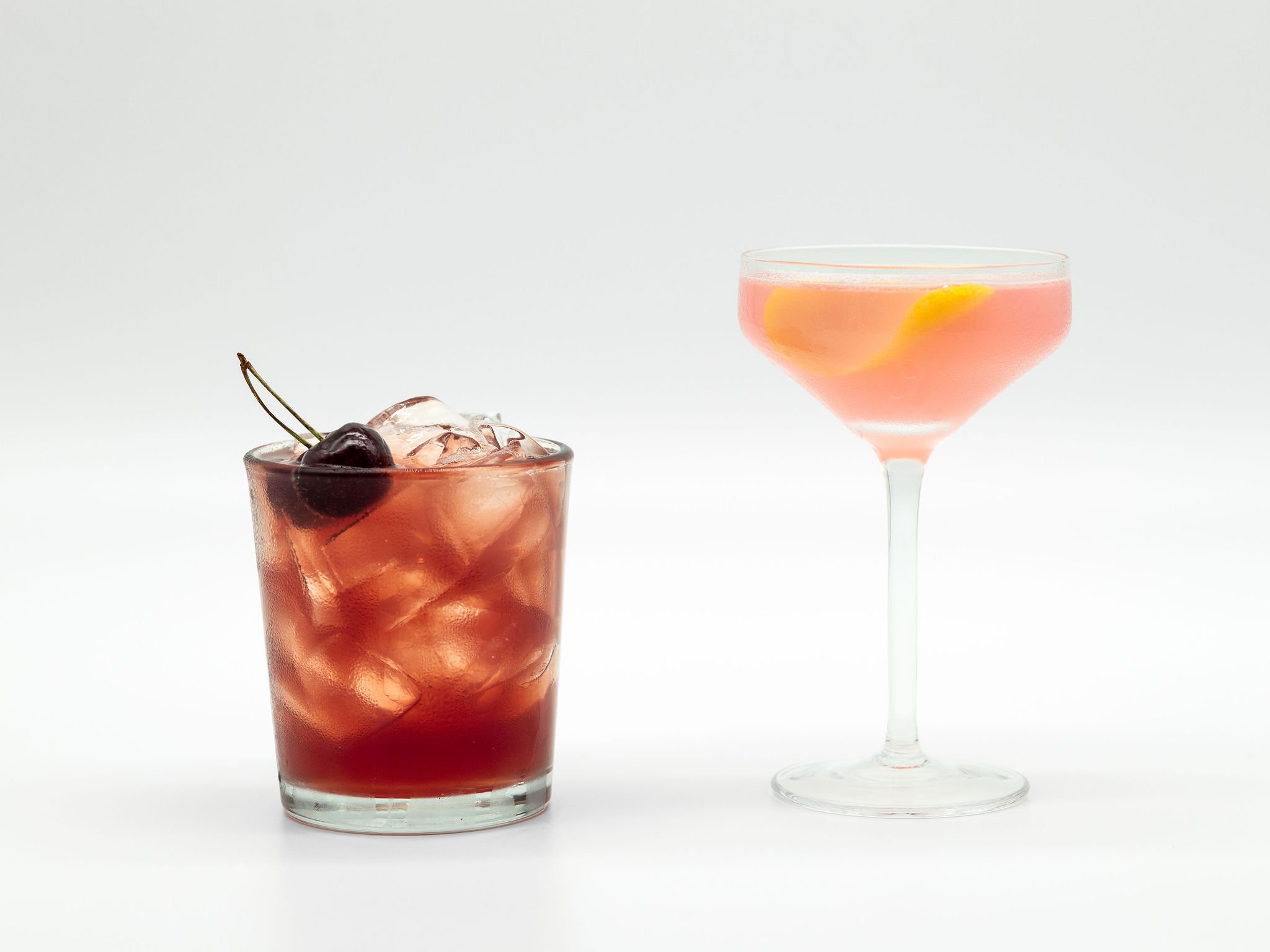
Want to make your night at Kellerman’s a full experience? Join us for a cocktail class before one of the shows and learn how to make two specialty drinks from our mixologists. Reserve your shaker now for just $51.75! 

Thursday, Oct. 22, 5:30 pm 

Friday, Oct. 23, 6 pm 

Saturday, Oct. 24, 6 pm 

A Season Worth Celebrating

As Walton Arts Center gears up for its 35th Anniversary season, we sat down with some senior staff members to learn about which shows they are most excited for.

The season opens with a bang, or should we say a rumble – on  Tuesday, Sept. 1, with the first national tour of The Outsiders. “The Outsiders is the embodiment of dynamic – and all that terms means to you - live on stage, from its score to its staging and choreography to its stunning Rumble that will leave audiences breathless,” said Curt Owens, director of programming. “It’s exciting and thrilling and a singular experience, and that’s what we want audiences to feel about this season.” 

Nolan White and The Outsiders North American Tour Company | Photo by Matthew Murphy

Hawa Kamara (Eurydice), Namisa Mdlalose Bizana (Persephone) and Hadestown North American Touring Company, 2026. Photo by Evan Zimmerman for MurphyMade.

Owens explained that one thing the team focuses on when curating a season is making sure there is variety among the shows in each different series and across the season overall, and that they “provide the opportunity for everyone in Northwest Arkansas to attend something they’ll enjoy.” 

Not all shows will feature first national tours; some are returning for another star-studded performance, including The Sound of Music or Hadestown. When asked what why they bring back shows like these, vice president of programming Jennifer Ross said “It’s exciting to bring those shows back because each cast brings a little different tone. The music is the same, the lyrics and script are the same, but it’s the human factor in the performances that really shine for me.” 

Cayleigh Capaldi (Maria Rainer) and Christiane Noll (Mother Abbess) in The Sound of Music. Photo by Jeremy Daniel.

For Owens, each new actor that performs a role brings different life experiences to their performances. He says what is even more fascinating is how the passage of time brings out something different to audience members. “When I worked on the previous tour of The Sound of Music 10 years ago, I didn’t have kids,” he said. “Now, I have two kids, and they know songs from watching the movie, so I’ll get to experience this tour through their eyes.” He is also excited about the new touring production of Dirty Dancing: The Musical, which features new direction from the actor who originated the role of Neil Kellerman in the film. 

Both theaters at Walton Arts Center provide a night of intimate live music, whether in the larger Baum Walker Hall or the smaller black box that is Starr Theater. With continental seating (no middle aisle) in Baum Walker Hall, the performers feel even closer to audiences.“Artists have told me that, when they can feel an audience’s energy that close, they can really feed off of that energy which makes for spectacular performances!” Ross said. 

For Hillary Morgan, senior director of marketing, it’s the candlelit stage for Twilight In Concert that she is looking forward to the most. “I can’t wait to bring my girlfriends and rewatch the movie on the big screen, red wine in hand, while the score is performed live by an orchestra!” she said.

The Broadway company of Buena Vista Social Club. Photo by Matthew Murphy.

The holiday season at Walton Arts Center is full of festive surprises and fun with seven holiday titles and a holiday cocktail class. “Anticipation is high around the holidays for both kids and adults, and that anticipation is only amplified when families walk through the doors of Walton Arts Center ready to have a new experience together,” Owens said. 

“We also enjoy tossing something into the mix that isn’t holiday-related during the holiday season,” Ross said. “This year, Buena Vista Social Club runs December 15 – 20 and will help break up any holiday blahs. That show brings its own absolute joy to the stage, and our audiences will leave with songs in their heads that sound nothing like the holidays!” 

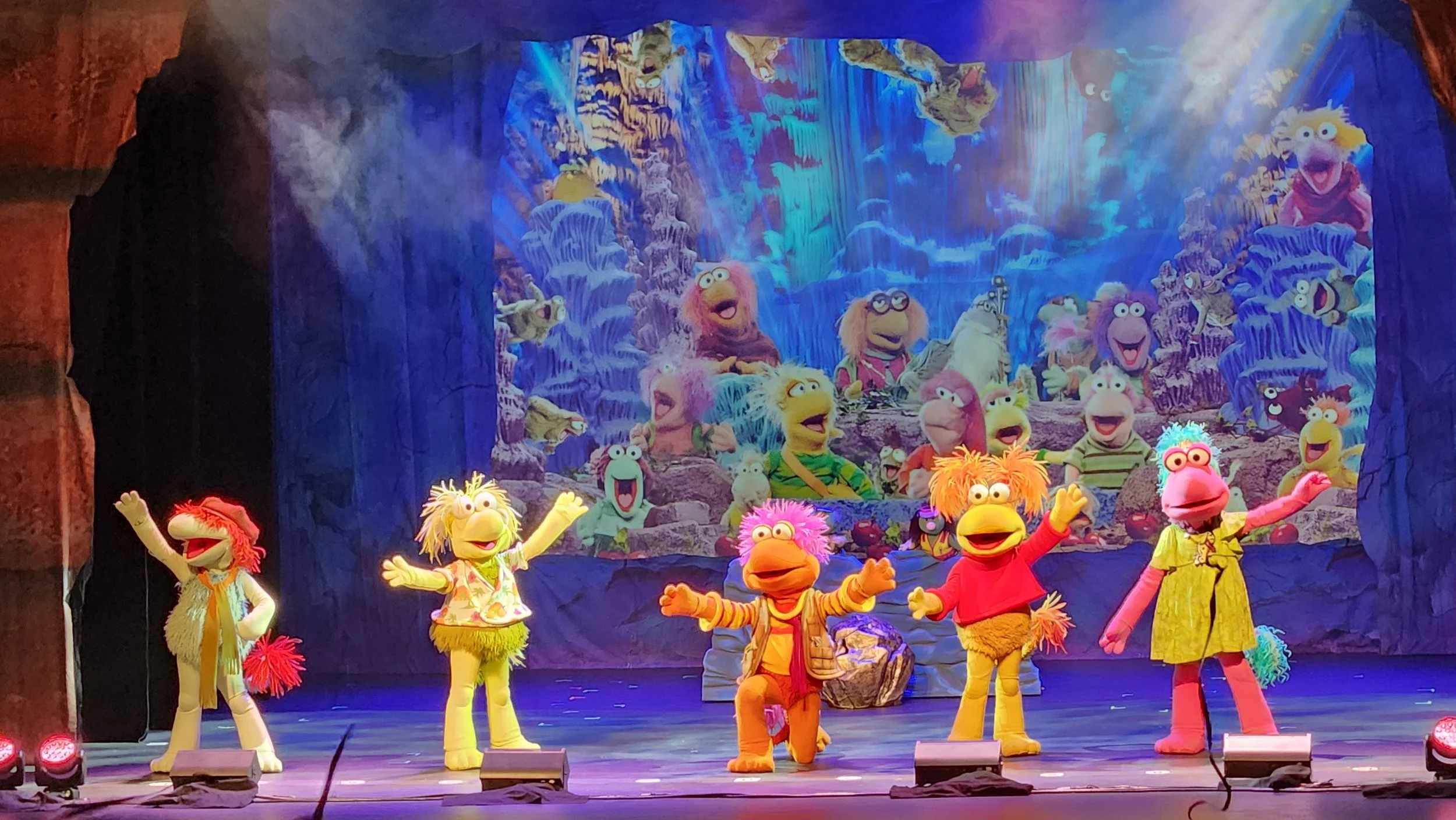
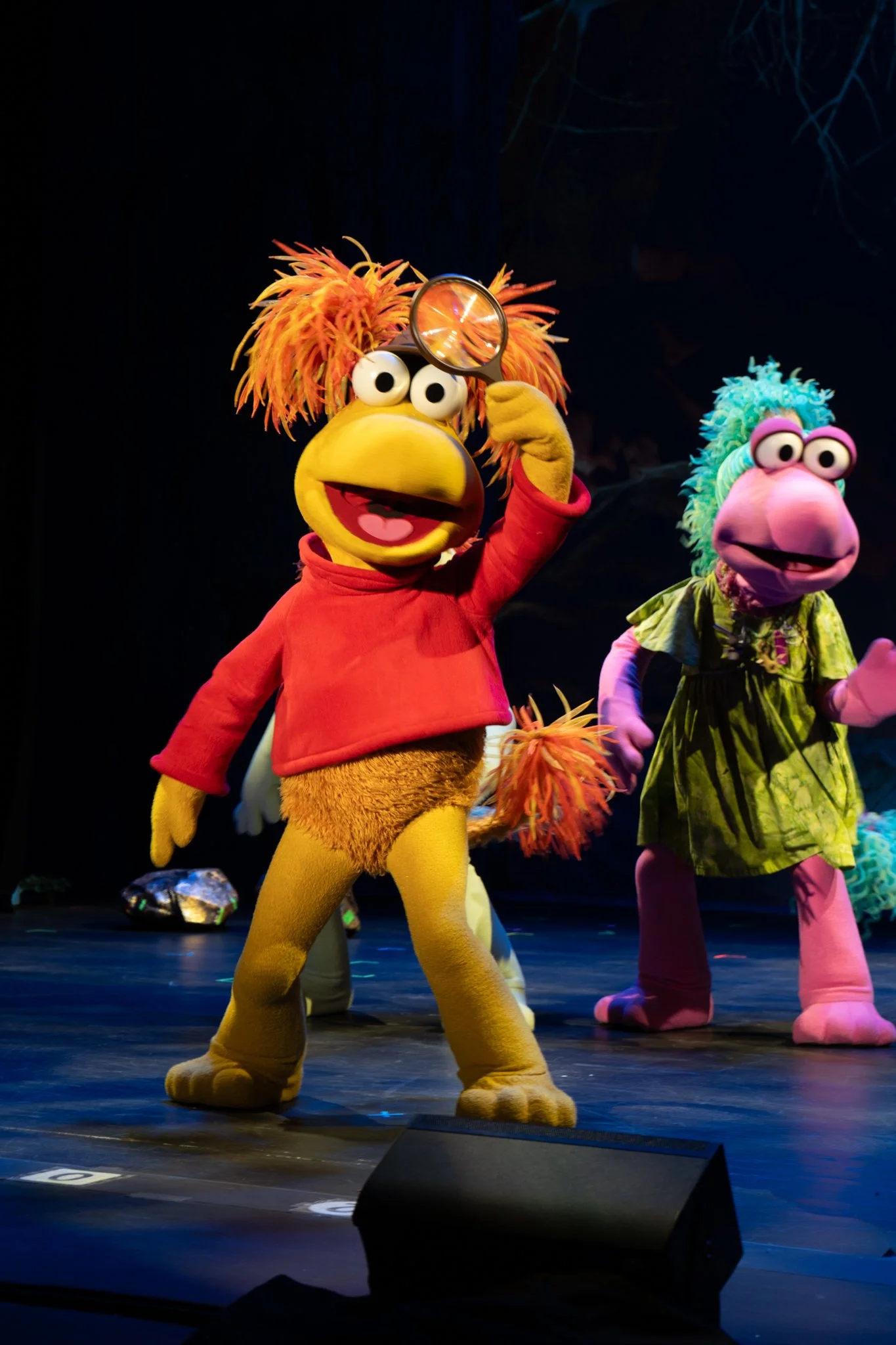
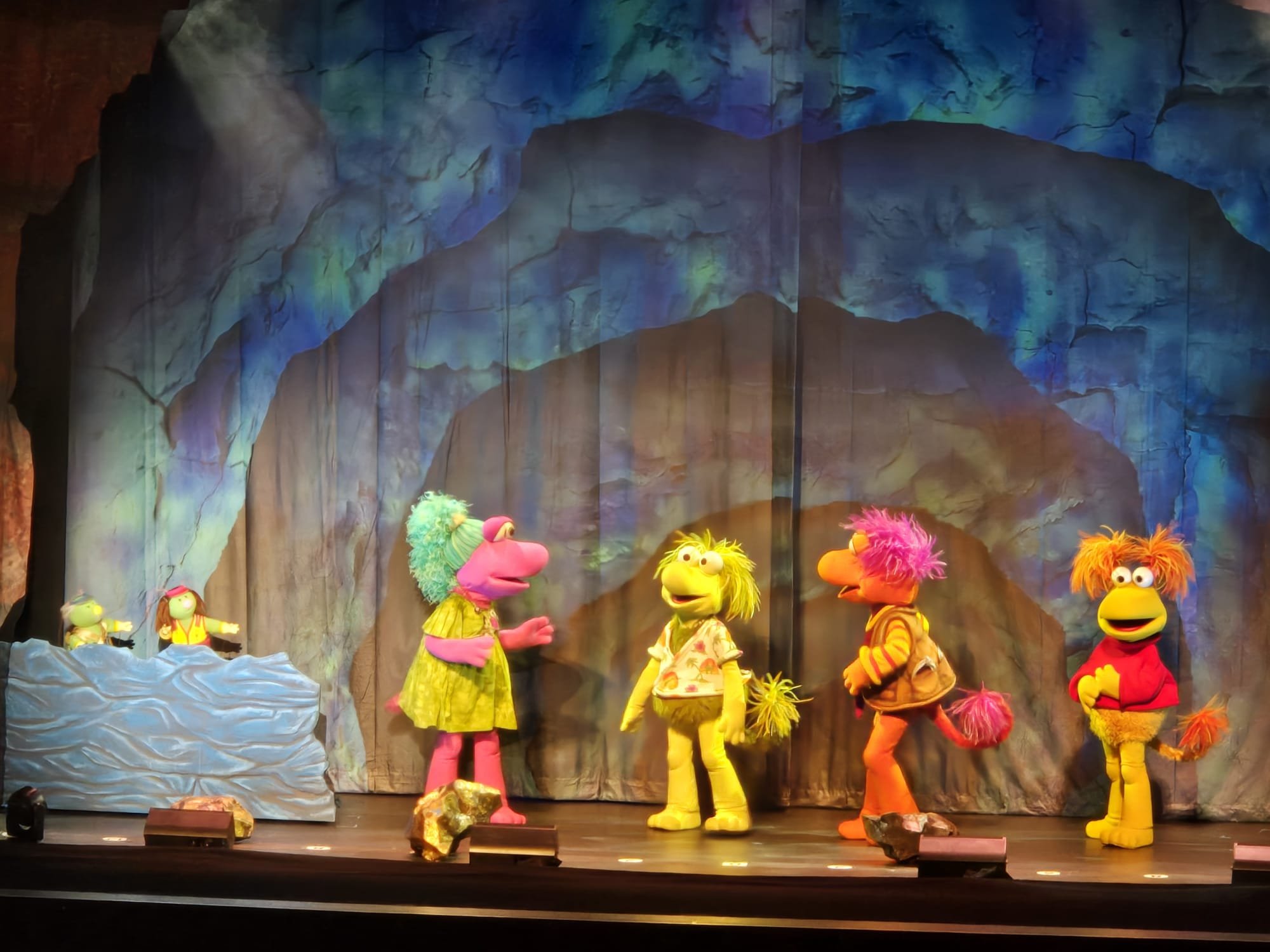
Family shows aren’t just for the holidays, there are a number of performances throughout the year that are perfect for everyone! For Jennifer Wilson, senior director of public relations, it’s Fraggle Rock: “Jim Henson’s creatures live on stage will be fun to watch, and the series has been really popular on Apple TV so there are multi-generations who will be excited to see it.” 

Purchase tickets for all Walton Arts Center shows by visiting waltonartscenter.org, by calling 479.443.5600 weekdays 10 am until 5 pm..

Combining History and imagination to write Broadway's Buena Vista Social Club

By Ruthie Fierberg, Broadway News. Reshared with permission.

The title “Buena Vista Social Club” refers to many entities. It is the name of a Havana night spot, the 1990s Cuban music ensemble (named as an homage to the locale), that band’s eponymous Grammy®-honored album, the documentary about the making of that album and now a Broadway musical. But the “Buena Vista Social Club” moniker is also an evocation of a specific sound: technically masterful, spiritually authentic Cuban music.

The Broadway company of Buena Vista Social Club. Photos by Matthew Murphy.

Playwright Marco Ramirez said those are the songs of his upbringing. The child and grandchild of Cuban immigrants, Ramirez remembered how his grandfather would play the album Buena Vista Social Club on his boombox. When Ramirez was approached to write the libretto for a musical about the band, “It was the fastest ‘yes’ I ever said,” the writer told Broadway News

“When my grandfather moved to this country in 1968, he was a busboy at a restaurant two blocks from the theater,” Ramirez said, referring to the Gerald Schoenfeld Theatre where Buena Vista Social Club opened on Broadway. “When I think of the fact that I’m now opening two blocks away with his favorite songs playing, that is pretty moving.”

In crafting the musical’s story, Ramirez was inspired by fact, but he also exercised creative license in order to pay tribute to the ensemble and to Cuban culture, as well as to craft an intriguing, relatable story. Buena Vista Social Club is set in the ’90s and the ’50s. The ’90s storyline is similar to the band’s origin story: In 1996, a group of musicians assembled to record Cuban music. Historically, those musicians were unrelated until that moment. But Ramirez’s book imagines: “What if they had known each other and this was a reunion?” What if they met at the Buena Vista Social Club?

Here, Ramirez breaks down his writing process.


Broadway News: You were asked to come on as the musical’s book writer — but you get to decide what the story is and where it goes. What was your first kernel of an idea?

I want to make sure we honor the music, whatever we do. Sometimes when you transfer something into the musical theater form, the authenticity of it would be flattened. I wanted to make sure that the songs stayed in Spanish. This is, I think, one of the great pieces of art ever made by humankind. I would put it up there with the work of Michelangelo and The Godfather. Even in the history of recorded music, I think it really stands out. So the story of how it got made is always really exciting. This record was made at a very pivotal, interesting, tricky time in Cuban history. How can we make this musical to help [audiences] understand [the record] a little more? So my gut was: How do we make this [musical] about this magical art form? To me, it’s alchemy. The music studio can be the most exciting, vibrant place where stories can happen.

You’re an accomplished playwright. Is this the first book of a musical you’ve written?

This is the first time I ever wrote the book of a musical. It wasn’t a typical book because we knew we wanted to keep the songs in Spanish. So it doesn’t even feel like a jukebox musical, per se, because you [would] use those lyrics to further the story. For me, the job here was to know this music, select songs, put them in an order that felt like they told a story, and then to make the book one that could frame them, so that each of these songs could be then put in context so that a non-Spanish speaker could still enjoy the experience without subtitles. So that’s on top of the challenge of just telling the story with a beginning, middle and end with characters who change and all the other stuff they taught me in drama school.

In ordering the songs to tell a story through the music, you’re not relying on lyrics — though Spanish speakers have a bonus of understanding them. Is the arc you’re creating simply an emotional one?

Right. When we were presenting a song, it would be presenting a new character, a new location, a new conflict, a new theme, a new depth of an argument. A very rural song is how we introduce Compay Segundo — the guy with a guitar, mustache, cigar and the hat. He’s the kind of man you would meet playing at a little, throwaway club. And he would be singing these very rural songs. Knowing the DNA of each of them, I realized we have a barn burner [on the album] so this probably is the opening of act two. I’m a fluent Spanish speaker and it’s my first language, so I [don’t] write off the audience who speaks Spanish — they’re going to see it in “3D.” But my writing principle was: I know what these songs sound like, the audience who even doesn’t speak Spanish might know what they sound like, but my job is to show them what they look like, feel like and where they came from.

Like you said, a story about making the record was your impulse. You could have written a musical that only took place in the studio. And yet, as I know from having seen the 2024 Off-Broadway mounting, your musical traverses many places and multiple eras. How did that evolve?

The incorporation of the ’50s story and of dance came at the same time. A lot of these songs are ultimately dance music — that’s obviously not something that happens in a recording studio. What’s beautiful about what choreographers Justin Peck and Patricia Delgado have done is they have brought in not only social dance — in Cuban, Latin American, Caribbean forms — they’ve also brought in a ballet aesthetic, which is also very much part of the Cuban culture. So when we are in the ’50s, we can see what’s happening at the club back in the day, which is a lot of dance. It gives us this fluidity to have this ensemble of dancers help illuminate the songs in the ’90s [timeline]. 

Who are the characters driving the story?

Even though this is the story of a band [mainly four of its members], as we say at the top of the show, it is framed as a story of Omara Portuondo, who, when we meet her, has not sung in many years for serious reasons. She’s known as the crooner of Havana. She just stopped singing at one point. And so when we meet her, this young producer is coming to her and saying, “Hey, I have an opportunity. I’d love to make one more record.” And much like the gunslinger who has hung up her rifle, she says, “I don’t do that anymore.” But he tempts her with this idea of making beautiful music again, maybe with some people she knows from back in the day. As she starts singing these songs, memories start coming back. And those memories are the story of the younger Omara, an artist who wants to make authentic, heartfelt music while her sister wants to make very commercial music. It’s ultimately the story of two sisters who used to be really close, who decide on parting ways. It’s heartbreaking for both of them because they don’t know what making music is without each other. That’s told parallel to the ’90s story of a woman kind of coming back to make music, but realizing this is kicking up a lot of old stuff, and it’s essentially therapy. 

Did the ’50s storylines come out of your interviews with individual band members and the documentary?

That’s the part that’s more imagined. It feels right for the part that’s furthest from present day because that’s how memory works. But in reality, some of these musicians weren’t actually contemporaries: Compay and Omara were about 20 years apart. The idea of making them one generation that came up together and then were split apart, was a way, dramatically, to help cohesively tie the story together. In reality, [pianist] Rubén González did probably play the Buena Vista Social Club. And in reality, [vocalist] Ibrahim [Ferrer] was a background singer for Omara at one point. So there are threads of reality in there. But the creative license we’re taking is this notion that they were this clique of four. 

This is all the structure of your book. Tell me about the dialogue and language you’re using.

Almost all the songs are about very big emotions — longing or heartbreak or loss or unrequited love or potential or betrayal. Everything is turned up to 11 in these songs. In order to match that, the story that we’re telling, especially in the ’50s, has to get to that place of betrayals and longing, etc. 

As you’ve been saying, these songs have a vastness to them. Did you try to create that same poeticism in your text? Or are you contrasting them with a naturalistic sensibility?

I’m trying to do a little of both. I’m trying to make it character specific. In real life, Compay was a storyteller. He would use metaphors about flowers and life — poetic, soft metaphors in a way that was very florid and gorgeous. Of any of the characters, he’s the one who kind of gets these speeches. But the young producer who comes to make the record, he’s much more sober and pragmatic. The other element that has been a secret ingredient is just humor. For this new production, I realized how powerful humor could be. These songs are about big emotions and heartbreaks and everything, but humor just makes them both [songs and book] feel better. The perfect balance of both is, for me, a very clear representation of Caribbean culture, of heartbreak, but also just the life of any artist anywhere. 


Hailed as a “jaw-dropping, soul-stirring must see” (The Washington Post), the Tony® and Grammy® award-winning Buena Vista Social Club is a journey through music and memory into the beating heart of Havana. A world-class company brings the story of the iconic album to thrilling life in this tale of big dreams, second changes and music that needs no translation.

Show dates and times

Tuesday, Dec. 15 at 7 pm

Wednesday, Dec. 16 at 7 pm

Thursday, Dec. 17 at 1:30 and 7 pm

Friday, Dec. 18 at 7:30 pm

Saturday, Dec. 19 at 2 & 7:30pm

Sunday, Dec. 20 at 2 pm

A Look Inside The Outsiders Soundtrack: Nearly a Decade in the Making

Austin-based Americana folk duo Jamestown Revival, made up of longtime friends Jonathan Clay and Zach Chance, co-wrote the score for The Outsiders, their first musical soundtrack. The duo was originally approached about a year after the release of their 2014 debut album, Utah, by musical producers for The Outsiders who were looking for songwriters “on the outside” of the stereotypical Broadway-composer world.

Music producer Justin Levine, who co-produced the soundtrack alongside the pair, says the “youthful, throwing-caution-to-the-wind-feel" of Utah got at the heart of The Outsiders. The duo began to compose two songs in their attempt to secure the gig: one they thought was “too slow” and not what production wanted, and the other, a stereotypical Broadway tune. They pitched the song with more Broadway vibes and production asked if they had any other ideas, so they sent the song they thought was “too slow”.

That song, “Stay Gold” received many praises from production, and almost a decade later is one of the biggest hits in the musical.

As they continued the writing process, Jamestown Revival dove into the storytelling and wrote songs that reflected the themes of Hinton’s novel. They also attended several musicals throughout the writing process to immerse themselves in the Broadway soundtrack world.

When asked what the duo learned throughout the creative process, they gave American Songwriter seven tips:

“Learn to serve the song”

Songwriting for a musical is different than songwriting for an album. They had to take the plot and storytelling of the novel and film and translate that into music that naturally moves the story forward.

“The opening number is often written last”

Grabbing an audience’s attention from the get-go can make or break a live performance. When it came to writing the opening number for The Outsiders as well as the Act 2 opening, Jamestown Revival had to find ways to hook people into the world of Tulsa in 1967.

“Don’t be precious about your songs”

Not normally part of their album-writing process, they had to frequently revisit songs they previously wrote, or fully scrap and rework songs for this project. The beauty of the writing for this soundtrack is that they had time to find the perfect melodies to match the story along the way.

“Write to each character’s voice”

Jamestown Revival had to step into Ponyboy’s shoes when writing the soundtrack for the musical. Each character has a unique voice and perspective, and the writing should not only match the character, but that writing must stay consistent with that characters’ story arc for the whole track. Ponyboy’s songs represent idealism and show that he is a dreamer, whereas his older brother Darrel carries a lot on his shoulders which translates to more angst in his songs.

“Let the performers sing the songs in their own way”

The beauty of musical theater comes from live performances, and giving performers creative freedoms to make stylistic choices in their singing, making it more compelling. Despite taking place in the ‘60s, most of the performers sing with a modern-pop tone that feels more authentic to the performance and storytelling.

“Great sound design can flesh things out more”

The Americana genre is often about minimalism, whereas theater is noted for its maximalist moments. A key to the sound design here was making sure the audience could tell the band was playing live, creating an opportunity for the theme of chosen community to also be created from within the pit.

“The power of collaboration is key”

With the help of Tony Award®-winning music producer, Justin Levine, the duo was able to produce a Tony and Grammy®-nominated soundtrack that resonates with audiences of all generations.


Don’t miss this show with “a heart of gold and the power to inspire an entire generation” (Entertainment Weekly), coming to Walton Arts Center for eight performances Sept. 1-6.

Show dates and times:

Tuesday Sept. 1, 7 pm

Wednesday Sept. 2, 7 pm

Thursday Sept. 3, 1:30 & 7 pm

Friday Sept. 4, 7:30 pm

Saturday Sept. 5, 2 & 7:30 pm

Sunday Sept. 6, 2 pm

And All. That. Jazz!

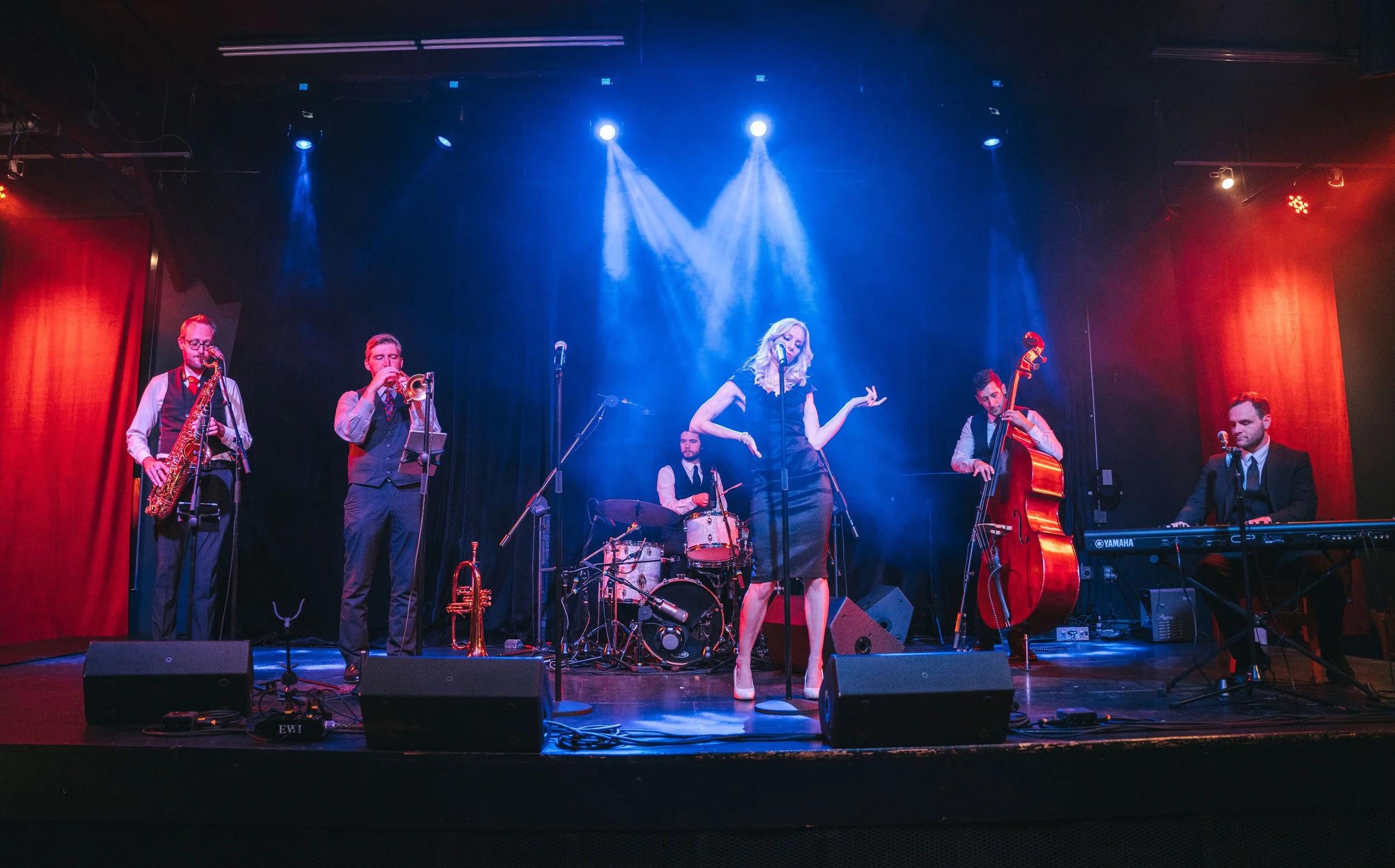
The accomplished artists in our 2026-27 Starrlight Jazz Club are known for lending their skills to award-winning projects and for pioneering their unique takes on the jazz genre.

Experience the exhilaration of live jazz performed in the intimate ambiance it deserves with cabaret-style seating.  

Matthew Whitaker Trio 

saturday, sept. 12, 7:30 pm

signature sound: His music echoes the traditions of jazz as well as black gospel, r&B and soul 

Coming off of a 2026 Grammy® win for best instrumental arrangement of “Super Mario Praise Break,” Matthew Whitaker is just getting started. Come see his debut performance in Northwest Arkansas and enjoy “effortlessly blended various genres whether through a soulful piano piece or an energetic organ arrangement,” says The Record.  

A recipient of three ASCAP Foundation Herb Alpert Young Jazz Composers Awards, Whitaker began his musical career at the age of three and since graduated from The Julliard School. He has already composed for television and film, released four studio albums and collaborated on projects with Jon Batiste, Christian McBride, Regina Carter, Anderson Paak, just to name a few.  

Watch as Grammy Award winner Matthew Whitaker pays tribute to one of his biggest inspirations with a soulful Stevie Wonder medley at the piano.

Simon Moullier Trio with Alex Claffey and Steve Pruitt 

Friday, Oct. 2, 7:30 pm  

Live from Chris' Jazz Cafe: Simon 2023: Moullier, vibraphone; Luca Alemanno, bass; Jongkuk Kim, drums

Don’t Miss This: His in-person energy on stage and the dexterity he flourishes is as captivating as his musical virtuosity.

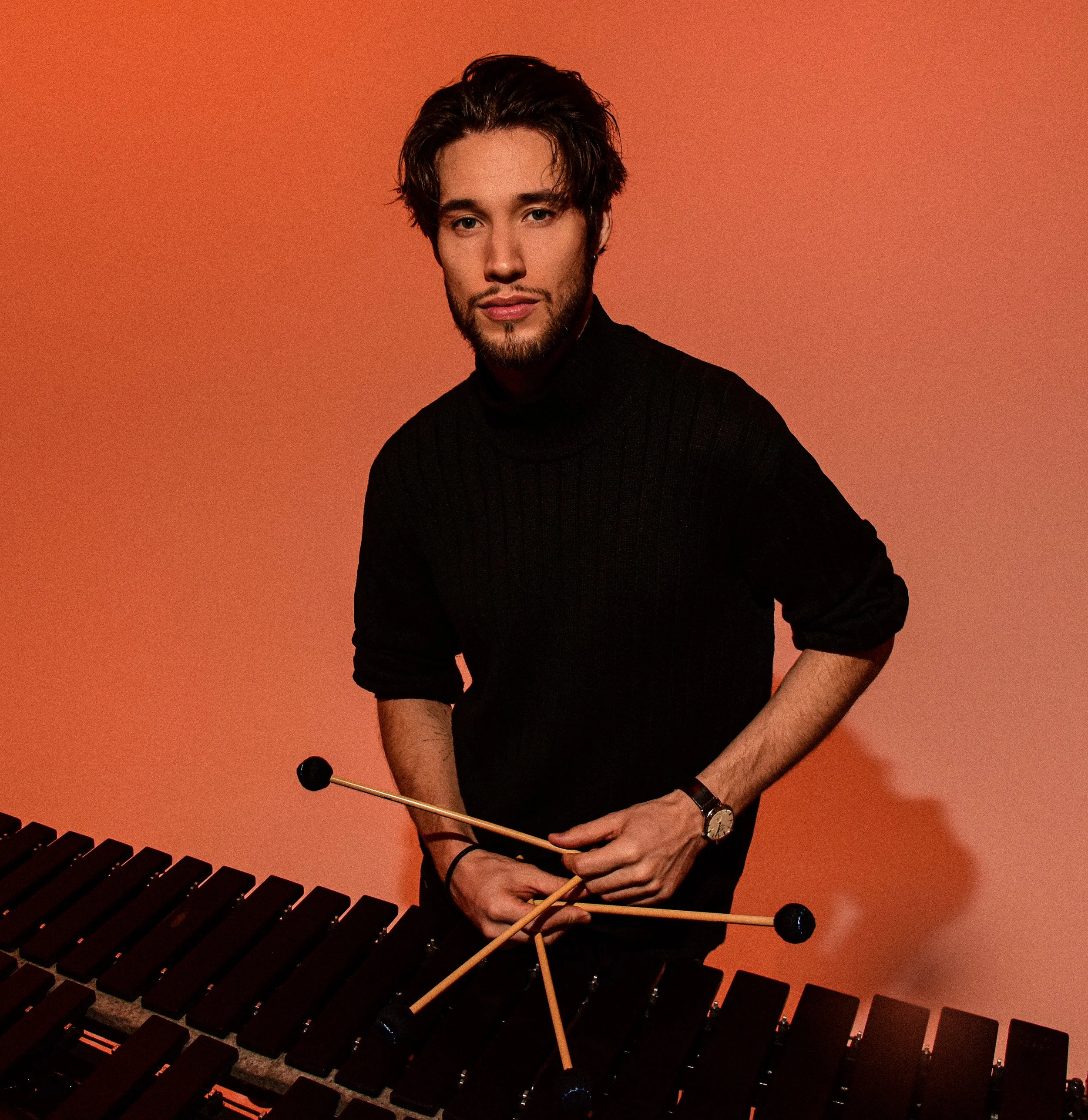
Grammy-winning vibraphonist, composer and arranger Simon Moullier is known for his entirely new approach and sound on his instrument, distinguishing himself as one of the leading voices of his generation.

"His music is fresh. Never heard anyone play vibes like that before,” says Herbie Hancock, who mentored Moullier along with Quincy Jones, Wayne Shorter and Darren Barrett at the Thelonious Monk Institute. Moullier will be joined onstage with Alex Claffy on double bass and Steven Pruitt on. 

Huntertones  

Friday, Jan. 15, 7:30 pm 

3 guys, 5 instruments, 16 songs: Huntertones' tribute to the King of Pop. Recorded Live October 29th, 2017

What to expect: This horn-driven band is young, energetic and innovative in their approach to making Jazz fun and accessible while fearlessly mashing up genres to create their own sound. 

Huntertones return to Walton Arts Center stage for their third appearance. This dynamic, horn-driven band blends jazz, funk and soul with a sharp, contemporary edge. Their signature three-horn frontline, bold arrangements and an irresistible sense of groove, have earned them a reputation for high-energy performances that feel both deeply musical and wildly fun. Their collaborative spirit shines on work with Lake Street Dive, SuperBlue, O.A.R. among others, and this show highlights their unmistakable blend of creativity, connection and improvisation. Jon Batiste says the Huntertones play “Honest, genuine, skillfully executed music without limitations that is uplifting and cannot be quantified.”  

Noah Preminger Quartet 

Saturday, Feb. 20, 7:30 pm  

Known For: His voice on the saxophone as well as his gift for composition set him apart from the herds of players with impressive technique, but little to say. Each note from Noah’s horn has a purpose and story to tell, always serving the greater good of the song and his bandmates

Noah Preminger, saxophone; Julian Shore, piano; Phil Donkin, bass; Leif Berger, drums. Live at Like A Jazz Machine Jazz Festival, Dudelange, Luxembourg. (2025)

The New York Times declares that Brooklyn-based saxophonist Noah Preminger,  “(He) designs a different kind of sound for each note, an individual destiny and story.” A master of standards and ballads, Preminger has recorded more than 12 critically acclaimed albums and performed all over the world with Fred Hersch, Joe Lovano, John and Bucky Pizzarelli and Roscoe Mitchell. 

The quartet, which will play both from Preminger’s albums and a selection from the Great American Songbook, is rounded out by Julian Shore on piano, Kim Cass on bass and Terreon Gully on drums. The Boston Globe calls the performance, “Impressive, challenging, and beautiful”. 

Edward Simon Trio 

Friday, April 23, 7:30 pm 

Signature sound: His trio performances and recordings are considered among the most enduring and thoughtful legacy of the iconic jazz trio format harkening to the work of Bill Evans and Keith Jarrett. 

Edward Simon, a native of Venezuela, is among the strongest pianists of his generation. With his trio, he continues to explore the commonalities jazz can have with the folkloric sounds of Latin America. His trio performances and recordings are considered among the most enduring and thoughtful legacy of the iconic jazz trio harkening to the work of Bill Evans and Keith Jarrett.  

His 2016 album Latin American Songbook, with the four-and-a-half star DownBeat review praising its “grand and sophisticated” sound, won Simon an NAACP image award for outstanding jazz album. The New York Times has praised Simon’s “light, warm touch” as a pianist, while Jazz Journal International singled out “his deep emotional statements” as a composer and improviser. 

Edward Simon's original composition, "Locura", was performed by the SFJAZZ Collective in Miner Auditorium on October 26th, 2014.

RESERVE YOUR SEATS NOW AND SAVE!

All-in subscriptions are $285 for cabaret seating and $170 for tiered seating. Single tickets for these shows go on sale later this summer.  

Celebrate American’s Most Influential Songs with the Songbook Salon Series

What is the Great American Songbook?

A loosely defined cannon of the most important and influential American popular songs, show tuns and jazz standards from the 1920s to the 1960s

Curated by pianist and singer Champian Fulton, Songbook Salon is a new concert series that pays homage to the Great American Songbook performed exclusively by world-class vocalists. Each intimate evening will unfold in an atmosphere of elegance, where notes of Porter, Gershwin, Berlin and Ellington will come alive.  

From Cole Porter to Bob Dylan featuring Isabella Isherwood 

Thursday, Sept. 10, 7:30 pm  

Isabella Isherwood performing The Sweetest Sounds, 2026

Chicago-based pianist, singer and actor Isabella Isherwood is known for her vast and impeccable vocal range. “Thrilling low notes, a middle register that resonates warmth and ghostly obbligatos to enhance an arrangement,” says critic Neil Tesser, make for a delightful exploration of the jazz genre and beyond. Fresh off her debut album The Sweetest Sounds released this year, this emerging talent brings jazz standards and favorite tunes to life.  

Isherwood has shared her artistry on stage and screen across both the U.S. and internationally and she will share her talents with Northwest Arkansas patrons in From Billy Porter to Bob Dylan. She has performed with the Chicago Symphony Orchestra at Symphony Center and Ravinia, and performed with her quartet at the Chicago Jazz Festival and three concert tours throughout Europe.  

In an episode of Backstage Bay Area, host Steve Roby sits down with Suzanne Wadowski, founder and executive director of Jazz at the Ballroom and the Songbook Ink label, and Champian Fulton, pianist, vocalist, and musical director, to discuss their upcoming concert and new album celebrating the legendary female vocalists of the swing era and 1950s jazz.

Flying High: Big Band Canaries Who Soared featuring Champian Fulton Trio 

Saturday, March 13, 7:30 pm 

Billie Holiday, Anita O’Day, Lena Horne, Peggy Lee, Jo Stafford, Rosemary Clooney, Ella Fitzgerald and others. Early in their careers, each of these were “canaries”—women singing with the great Big Bands of the era. And they all went on to solo careers where they developed their own sound and style. Fulton and her trio will celebrate the styles, sounds and music made famous by these jazz canaries once they spread their wings! 

Flying High: Big Band Canaries Who Soared is the second installment in the ongoing Flying High series, a long-term project dedicated to honoring the women singers who shaped American popular song during the swing and big band era. Join us as we follow their songs and stories past the big band days and into their flourishing solo careers. 

Let’s Be Frank: Celebrating the Frank Sinatra Small Group Songbook featuring Sachal Vasandani & The Christian Tamburr Trio 

Thursday, May 6, 7:30 pm 

I Love You For Sentimental Reasons - Sachal Vasandani covers Sinatra Live at the Appel Room, Jazz at Lincoln Center 2019

Thoroughly rooted in jazz, award-winning vocalist Sachal Vasandani has the swagger to front the most swinging big bands and the vulnerability to present definitive classic ballads in a trio. With fresh new arrangements by pianist Christian Tamburr, Vasandani leads us through the rare styling of Sinatra with a small group, which includes music broadcast between 1953-1955 on his radio show “To Be Perfectly Frank,” late ‘40s sides for Columbia and the 1959 Live in Australia recording with the Red Norvo Quintet. If you’re a Sinatra fan, you won’t want to miss Let's Be Frank

Save Your Seat for These Shows!

All-in subscriptions for this three-show series are $170 for cabaret seating and $101 for tiered seating. Single tickets will go on sale later this summer. 

Designing the Spectacular World of Moulin Rouge! The Musical

By David Cote

Entering Moulin Rouge! The Musical, you encounter a world like no other: sensual, mysterious, decadent. A hypnotic dance loop plays as aristocratic men in top hats circle seductive women in lace and bustiers. The music feels like it’s coming from 360 degrees. Lights rake over bodies promenading back and forth. It’s hard not to notice the elephant perched beyond the proscenium, and the red windmill on the other side. An exquisite tension hangs in the air, before the show has even begun. Welcome to the club.

Jay Armstrong Johnson and Arianna Rosario the 2025 touring production of MOULIN ROUGE! THE MUSICAL. Photo by Matthew Murphy and Evan Zimmerman for MurphyMade

You’ve never seen a Broadway show as wildly immersive as the Tony®-winning Moulin Rouge! The Musical. The revolutionary design started on Broadway and goes around the country.

“I began by amassing huge amounts of research,” scenic designer Derek McLane explains. “There were many period photos of Montmartre and the Moulin Rouge, of Parisian courtesans’ apartments.” The walls of the theater, McLane adds, are draped in no fewer than nine different types of red fabric, each its own hue and pattern. The heart-shaped portals you see upon entering are loosely inspired by Baz Luhrmann’s film. “I worked hard to create a structure both densely patterned and lacy so that you see through one set of patterns into another,” McLane says.

Costume designer Catherine Zuber poured the cast into a series of bespoke costumes, mixing Parisian silhouettes and edgy, contemporary couture. “Since the music is contemporary, the challenge is to introduce a modern interpretation,” Zuber notes. “The choreography is high-energy, requiring costumes that are not restrictive.” She notes that director Alex Timbers “kept us on track by insisting that the design should occur now and in the past simultaneously.”

“I had a vision that we’re inside a spinning crystal chandelier,” says lighting designer Justin Townsend. Shifting rapidly from spotlighting actors to bathing them in romantic reds, purples and blues, Townsend tucks tiny lights around the set to allow the stage and house to sparkle. Every reliable surface holds a lightbulb that can pulse and animate. “My hope is to create the same quality of the movie,” the designer says, “being on a ride with the camera pulled and pushed into and out of the scenes with wonder and joy.”

Peter Hylenski fuses dialogue and a score woven from dozens of song fragments into a seamless sonic whole. “From the very first bass notes and finger snaps, we should understand the flavor and attitude of the evening ahead,” the sound designer says. “Ultimately, it’s my responsibility to shape and sculpt the inputs from the cast, band, and sound effects to weave a sonic tapestry.” Hylenski shares his secret weapon: concealed in and around the set are some 200 various-sized speakers. Even in the table lampshades of the front seating area.

As Townsend sums up: “We combine images and sounds that shouldn’t work together but have a deeper truth, a deeper beauty, when placed next to one another.” The theater community certainly agrees. In 2021, Moulin Rouge! The Musical came away with a staggering ten Tony Awards®, including top prizes for scenic design, lighting, costumes, sound and orchestrations.


Enter a world of splendor and romance, of eye-popping excess, of glitz, grandeur, and glory! Baz Luhrmann’s revolutionary film comes to life onstage, remixed in a new musical mash-up extravaganza when Moulin Rouge comes to Walton Arts Center for eight performances in July. A celebration of Truth, Beauty, Freedom, and — above all — Love, Moulin Rouge! is more than a musical — it is a state of mind.

Show dates and times:

Wednesday, July 8, 7 pm

Thursday, July 9, 1:30 pm

Thursday, July 9, 7 pm

Friday, July 10, 8 pm

Saturday, July 11, 2 pm

Saturday, July 11, 8 pm

Sunday, July 12, 2 pm

Sunday, July 12, 7:30 pm

Resilience Through Storytelling: How The Outsiders Gives Voice to Marginalized Youth and Inspires Across Generations

By: Ayanna Prescod

In 1967, a 16-year-old from Tulsa, Oklahoma, quietly shifted the landscape of American literature. Susan Eloise Hinton, known more publicly as S.E. Hinton wrote The Outsiders from her bedroom while still in high school. What began as a response to the fractures she observed among her peers—the invisible line between those with privilege and those without—became a novel that would ripple across generations, offering a mirror for people who felt overlooked, misunderstood or out of place.

Almost 60 years later, that story still speaks. Its latest iteration, a Broadway musical, proves the endurance of Hinton’s vision: narratives rooted in resilience not only survive, but thrive because they give voice to those who most need to be heard.

When asked what sparked The Outsiders, Hinton is matter of fact: “I was inspired by my high school. I just got tired of all the social classes fighting each other.” What began as a short story after a friend was attacked grew into something larger than even she imagined.

The Greasers and the Socs may belong to Tulsa in the 1960s, but the dynamics of us versus them, wealth versus struggle and power versus vulnerability are in fact universal. That universality is precisely why the novel has endured: while the labels shift with each generation, the humanity of the characters remains, growing alongside the readers and even with Hinton herself.

The longevity of The Outsiders has fueled a legacy of adaptations, each one reshaping the story for a new generation. But it is the Broadway musical—winner of four Tony Awards® in 2024, including Best Musical—that has brought the tale full circle, marrying Hinton’s raw honesty with the visceral power of live performance.

The production has been praised for capturing both the grit and the tenderness of her original text, something Hinton herself deeply appreciates. “The musical stayed very close to the book and true to the characters,” she said. “Naturally, I am pleased about this. I believe music provides insight to the characters. I like that some people will experience the story for the first time as a musical, and then they read the book or see the movie.”

Music, after all, bypasses logic and speaks directly to the heart. Where the novel’s power rests in its intimate monologue, the musical externalizes that struggle, allowing audiences not just to observe but to feel the characters’ rawest emotions. In doing so, it reaffirms what has always made The Outsiders endure: its ability to remind us that resilience is often born in the spaces between pain and hope.

Beyond its artistry, The Outsiders has always been a story about survival and about the ways young people find hope even when institutions fail them. And for audiences stepping into the theater, it offers both nostalgia and discovery. Some will arrive with decades of love for Ponyboy and Johnny; others will meet them for the first time under bright stage lights. But all will leave reminded of what Hinton has always hoped for: that the story sparks connection, joy and a deeper understanding of what it means to STAY GOLD.

The Outsiders North American Tour Company / Photo by Matthew Murphy


This Tony Awards®-winning story of friendship, family and belonging comes to Walton Arts Center for eight performances this September. Single tickets are on sale now at waltonartscenter.org.

Corbin Drew Ross (L) and Nolan White (R) in The Outsiders North American Tour / Photo by Matthew Murphy

Show dates and times

Tues. Sept.1, 7 pm

Wed. Sept. 2, 7 pm

Thurs. Sept. 3, 1:30 and 7 pm

Fri. Sept. 4, 7:30 pm

Sat. Sept. 5, 2 and 7:30 pm

Sun. Sept. 6, 2 pm

If You Love Pop Music, Check Out These Upcoming Musicals!

If you think musicals are all jazz hands, old standards and stories from another era, two of Broadway’s biggest hits are here to change your mind. Moulin Rouge! The Musical and & Juliet both take familiar pop songs and use them to tell stories set far outside the modern world — creating an exciting, approachable gateway for audiences who may be new to musical theater.

These shows share one major ingredient: a soundtrack packed with songs audiences already know and love.

That familiarity can make all the difference for first-time theatergoers. The result? Audiences don’t have to “learn” how to enjoy the music. They’re already in on the fun.


& Juliet

Travel back to 16th-century Verona and pick up right where Shakespeare left off, however this story has a twist.

The Music

& Juliet flips the script on Shakespeare using the chart-topping catalog of legendary songwriter Max Martin, whose songs helped define modern pop music. Hits made famous by Britney Spears, Backstreet Boys, Kelly Clarkson and Katy Perry become the emotional engine of Juliet’s journey toward independence and self-discovery.

Juliet's new story bursts to life through a playlist of pop anthems as iconic as her name, including "Since U Been Gone‚" "Roar," "Baby One More Time," "Larger Than Life‚" "That’s The Way It Is" and "Can't Stop the Feeling!"- all from Max Martin, the genius behind more No. 1 hits than another artist this century. Songs like “Teenage Dream,” “Love Me Like You Do” and “Stronger” help guide the narrative as Anne Hathaway, Shakespeare’s wife, reads and dislikes his original plot, proposing her idea for a new ending.

The Story

In Anne's version, Juliet decides not to end it all when she finds Romeo dead. Instead, she gathers her friends — including the Nurse from the original Romeo & Juliet play and some new characters added for & Juliet — and escapes Verona. Her new friends and experiences show her that she's not alone in feeling stifled, but that there's a bigger world out there for her. Ultimately, & Juliet is a triumphant coming-of-age story about a young woman finding her independence.

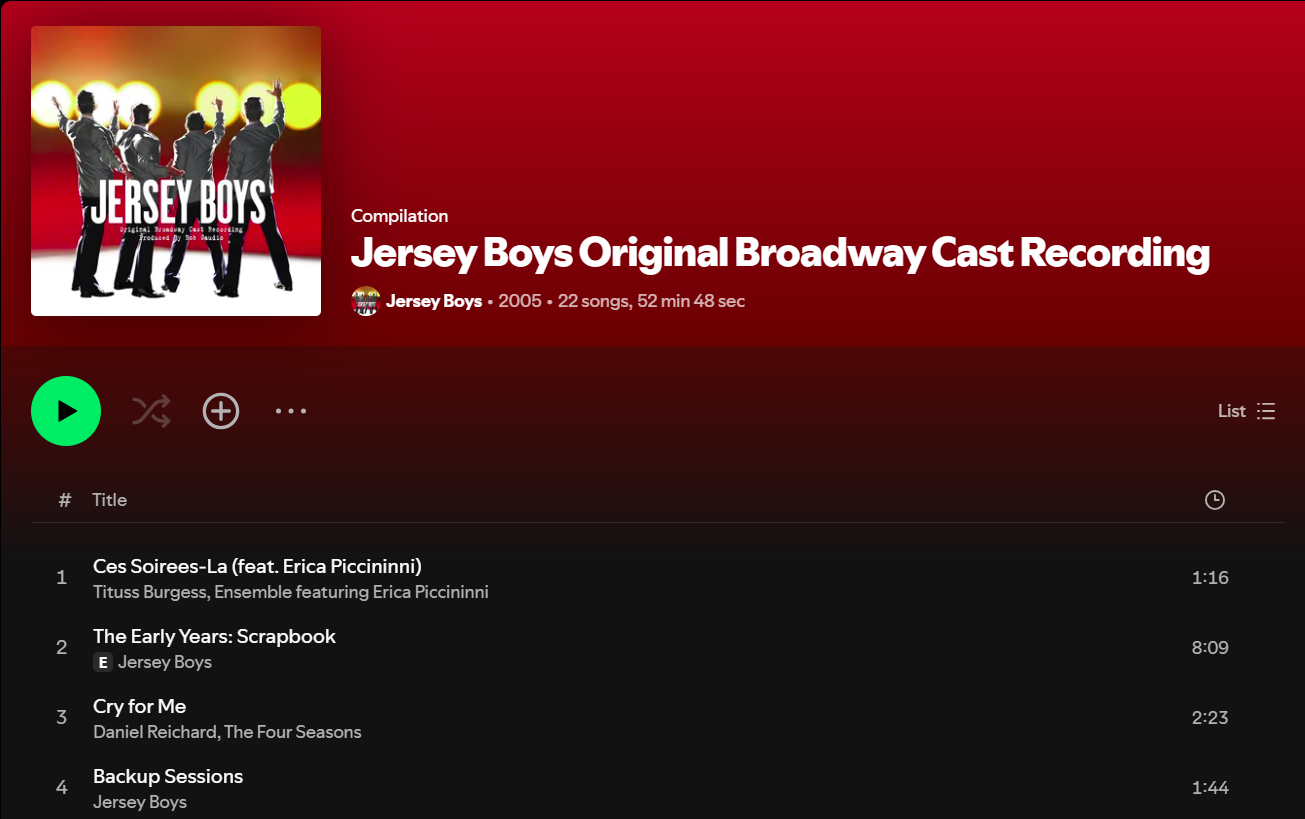
Prepare for the show with this playlist! How many songs can you already sing along to?

The music puts a modern twist on a timeless classic, the same way Juliet’s new story does! Break free of the balcony scene and get into this romantic comedy that proves there’s life after Romeo. The only thing tragic would be missing it. 

Show Dates & Times

Tuesday, May 26 at 7 pm

Wednesday, May 27 at 7 pm

Thursday, May 28 at 1:30 and 7 m

Friday, May 29 at 8 pm

Saturday, May 30 at 2 and 8 pm

Sunday, May 31 at 2 pm


Moulin Rouge! The Musical

Hey sista, go sista, soul sista, flow sista - ready to visit Paris for the turn of the 20th century? Welcome to the Moulin Rouge! Adapted from the 2001 film, Moulin Rouge!, the iconic night club takes form on stage, transforming it into a world of splendor and romance, of eye-popping excess, of glitz, grandeur and glory!

The Story

The story follows a lovesick American writer, Christian, and Satine, the dazzling star of the Moulin Rouge nightclub. When their lives collide at the Moulin Rouge, they fall hopelessly in love, only to be thwarted by the nightclub’s host and impresario, Harold Zidler, and the Duke of Monroth, the wealthy and entitled patron of the club who thinks he can buy anything he wants ... including Satine.

The Music

Moulin Rouge! The Musical blends more than 70 pop songs into its story, weaving together music from artists like Lady Gaga, Adele, Katy Perry and Elton John. Even though the story unfolds in turn-of-the-century Paris, the emotional beats are powered by songs audiences already carry with them.

The music drives the story, starting with an explosive mash-up of “Burning Down the House,” “Ride wit Me” and “Lady Marmalade.” It’s impossible not to be in the Moulin Rouge mindset after seeing burlesque and can-can dancers perform in this spectacular opening number, but the excitement does not end there! Mashups of Lorde’s “Royals” and Fun’s “We Are Young” are used to proclaim the bohemian ideals of truth, beauty, freedom and love. Satine makes her grand entrance to the tunes of the James Bond theme "Diamonds Are Forever," Rihanna's "Diamonds," Beyonce's "Single Ladies," En Vogue's "My Lovin'" and Commodores' "Brick House." Classics like Elton John’s “Your Song” and White Stripe’s “Seven Nation Army” are peppered throughout, making it a spectacle any music taste will know and love.

Prepare for the show with this playlist! How many are in your all-time-favorites playlist?

The music reimagines the songs you know and love, creating a story you won’t forget. Pop the champagne and join us as Moulin Rouge! The Musical takes audiences on a journey of ambition and weaves a tapestry of love, sacrifice and a whole lot of sequins.

Show Dates & Times

Wednesday, July 8 at 7 pm

Thursday, July 9 at 1:30 and 7 pm

Friday, July 10 at 8 pm

Saturday, July 11 at 2 and 8 pm

Sunday, July 12 at 2 and 7:30 pm


The Start of Something Great

Today’s musical theater landscape is incredibly diverse. Some productions reinterpret classic stories through a contemporary lens. Others blur the line between concert, theater and pop culture event. These two productions are perfect examples of how Broadway continues to evolve for new generations of audiences.

These musicals and others create a bridge between pop culture and Broadway. And once you experience the energy of a live orchestra, powerhouse vocals, dazzling choreography and a packed theater reacting together in real time, you’ll discover there’s nothing quite like it.